
2mm float glass
Replacing the Outside Water Valve A Step-by-Step Guide The outside water valve, often unnoticed until a problem arises, plays a crucial role in the overall plumbing system of your home. Whether you need to replace it due to wear and tear, leaks, or damage, understanding the process can save you time and money. Here, we provide a comprehensive guide to help you successfully navigate the task of replacing your outside water valve. Understanding the Outside Water Valve Before diving into the replacement process, it’s important to recognize the function of the outside water valve, commonly referred to as the hose bib or spigot. This valve controls the water supply to your outdoor faucets, which are used for watering gardens, washing cars, and cleaning outdoor spaces. Over time, exposure to the elements can cause these valves to deteriorate, leading to leaks, reduced water pressure, or complete failure. Tools and Materials Needed To replace your outside water valve, gather the following tools and materials - New outside water valve (ensure it matches the sizing of the old one) - Pipe wrench or adjustable wrench - Plumber’s tape - Screwdriver - Bucket (to catch any water) - Towels or rags Step-by-Step Replacement Process 1. Turn Off the Water Supply Before you begin, locate the main water shut-off valve inside your home and turn it off. This will prevent water from flowing while you work on the outside valve. 2. Drain Remaining Water Open the outdoor faucet to allow any remaining water in the pipes to drain out. This step is crucial to avoid a messy situation when disconnecting the old valve. 3. Remove the Old Valve Using a pipe wrench, grip the old outside water valve and turn it counterclockwise to loosen it. You might need to apply some force if the valve is corroded or stuck. Once loose, carefully remove it from the pipe. Be prepared for some residual water to spill out. outside water valve replacement 4. Prepare the New Valve Before installing the new valve, wrap plumber’s tape around the threads of the pipe to ensure a watertight seal. This tape helps prevent leaks after installation. 5. Install the New Valve Align the new outside water valve with the threaded pipe and turn it clockwise to tighten. Use the pipe wrench to secure it in place, but be cautious not to over-tighten as this could damage the threads. 6. Check for Leaks Once the new valve is installed, turn the main water supply back on. Open the new valve slowly and check for any leaks around the connection. If you notice any leaking, turn the water off and re-tighten the valve. 7. Test Functionality After confirming there are no leaks, test the valve by turning it on and off several times. Ensure that water flows freely and without interruptions. Maintenance Tips To prolong the life of your new outside water valve, consider the following maintenance tips - Winterize If you live in an area with freezing temperatures, make sure to winterize your outdoor faucet before the cold season arrives. This often involves shutting off the valve and draining any remaining water. - Inspect Regularly Periodically check for any signs of wear or leaks. Early detection can prevent larger plumbing issues down the line. - Keep it Clean Periodically clean the area around the valve to prevent debris from entering the system. Conclusion Replacing an outside water valve may seem daunting, but with the right tools and this step-by-step guide, it can be a manageable DIY project. Regular maintenance and prompt replacements can enhance the lifespan of your plumbing system and ensure your outdoor water needs are met effectively. If you encounter any complications or feel uncertain about the process, don’t hesitate to consult with a professional plumber for assistance.
about
2mm float glass
Replacing Water Cut-off Valves A Comprehensive Guide Water cut-off valves are essential components in any plumbing system. They are designed to stop the flow of water in pipes, allowing for maintenance and repairs without the need to drain the entire system. Over time, these valves can wear out or malfunction, leading to leaks or water supply issues. Replacing a worn or faulty cut-off valve is crucial for maintaining the integrity of your plumbing system. This article will guide you through understanding the importance of water cut-off valves, recognizing signs that they need replacement, and providing a step-by-step process for the replacement. Importance of Water Cut-off Valves Water cut-off valves serve several critical functions in a building's plumbing system. Primarily, they facilitate maintenance by allowing you to isolate sections of the plumbing without shutting off the main water supply. This is particularly important in larger properties where shutting off water can affect multiple fixtures. Additionally, they help in preventing water damage during emergencies or unexpected leaks. By allowing swift action, such as shutting off the water supply to a damaged pipe, cut-off valves play a crucial role in protecting your home from extensive damage and costly repairs. Signs You Need to Replace Your Water Cut-off Valve Identifying when a water cut-off valve needs to be replaced is essential. Here are some common signs to look for 1. Leaking Water If you notice water pooling around the valve or dripping from the valve itself, it is often a sign of wear and can indicate that the valve needs replacing. 2. Difficult to Operate If turning the valve is challenging or it doesn’t close completely, it might be damaged internally and could require replacement. 3. Corrosion or Rust Inspect the valve for signs of corrosion or rust. These can weaken the valve and lead to failure. 4. Unusual Noise Any hissing or whistling sounds coming from the valve or pipe can indicate pressure or flow issues, which may suggest that the valve is failing. 5. Old Age If your valve is significantly outdated, it may be wise to replace it outright, even if there are no immediate signs of failure. Steps to Replace a Water Cut-off Valve Replacing a water cut-off valve may seem daunting at first, but with the right tools and a little know-how, you can tackle this project yourself. Here’s a step-by-step guide replacing water cut off valves Tools and Materials Needed - Adjustable wrench - Pipe wrench - Screwdriver - Replacement valve (ensure it’s compatible with your plumbing) - Teflon tape - Bucket or towels (to catch any leaking water) Instructions 1. Turn off the Main Water Supply Before starting, ensure that the main water supply to your home is completely turned off. 2. Drain the Pipes Open faucets near the valve to drain any remaining water from the pipes. 3. Remove the Old Valve Using the adjustable wrench, loosen the nuts connecting the old valve to the pipes. Carefully remove the valve. Be prepared for some residual water to leak out into the bucket or towels. 4. Clean the Pipe Ends Once the old valve is removed, clean the ends of the pipes to remove any debris or old plumbing tape. 5. Install the New Valve Wrap Teflon tape around the threads of the new valve to ensure a watertight seal. Position the new valve onto the pipes and tighten it using the pipe wrench. Be careful not to overtighten, as this could damage the pipes. 6. Check for Leaks Turn on the main water supply and check for any leaks around the newly installed valve. If leaks are present, tighten the connections slightly, but avoid overtightening. 7. Test the Valve Finally, turn the valve on and off a few times to ensure it operates correctly and that there are no leaks. Conclusion Replacing a water cut-off valve is an important home maintenance task that can help prevent water damage and ensure your plumbing operates efficiently. By recognizing the signs of a failing valve and following the step-by-step replacement process, homeowners can take control of their plumbing systems and enjoy peace of mind. Remember, when in doubt, consulting with a professional plumber is always a wise choice. Investing time and effort into maintaining your plumbing can save you significant costs in the long run.
-

High quality industrial productsagement

High quality industrial products
View Details -

Meet the diverse needs of customers

Meet the diverse needs of customers
View Details -

Strict quality control

Strict quality control
View Details -

Top raw materials

Top raw materials
View Details -

Trusted supplier

Trusted supplier
View Details
Our application


news and information

various types of control valves
Various Types of Control Valves Control valves are critical components in a range of engineering app
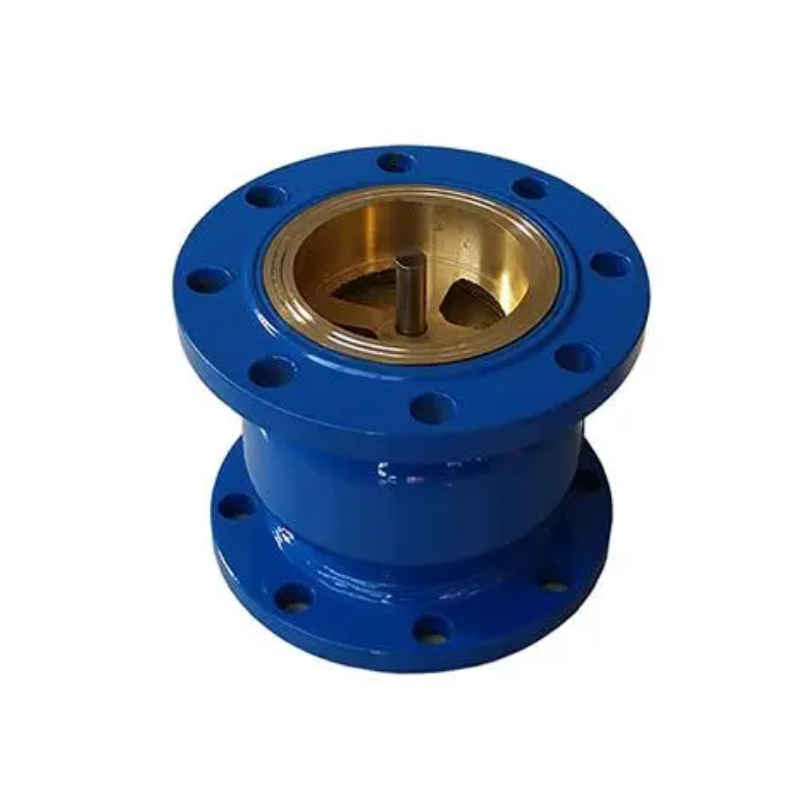
Valve Wholesale Quality Products & Competitive Prices
Valve wholesale is an integral part of numerous industries ranging from oil and gas to pharmaceutica

Wooden frame construction with truss plates and nails for added structural support.
Wood frame construction has been a popular building method for centuries, providing a versatile and
 English